Bronze Komainu at Inukimon gate

The gate in front of the Okuno-in Treasure Pagoda is made of cast bronze (karakane = a type of bronze that is yellowish or brownish in color) and is called "Inukimon," or "cast bronze gate."
The bronze komainus that guard this gate are a great masterpiece. It is such a masterpiece that it is almost impossible to find a better masterpiece than this one among metal-made komainu until the present day.
The artist is Shiina Iyo.
The Shiina family was a famous family of foundry workers active in the early Edo period, and was valued by the Tokugawa family.
The komainus were made of wood when the shrine was first built, but were replaced by stone in 1641, and then by bronze when the gate was replaced by bronze in 1650.
Since the Inukimon gate cannot be seen from the front, there are very few points from which to take pictures of the komainu from the front.
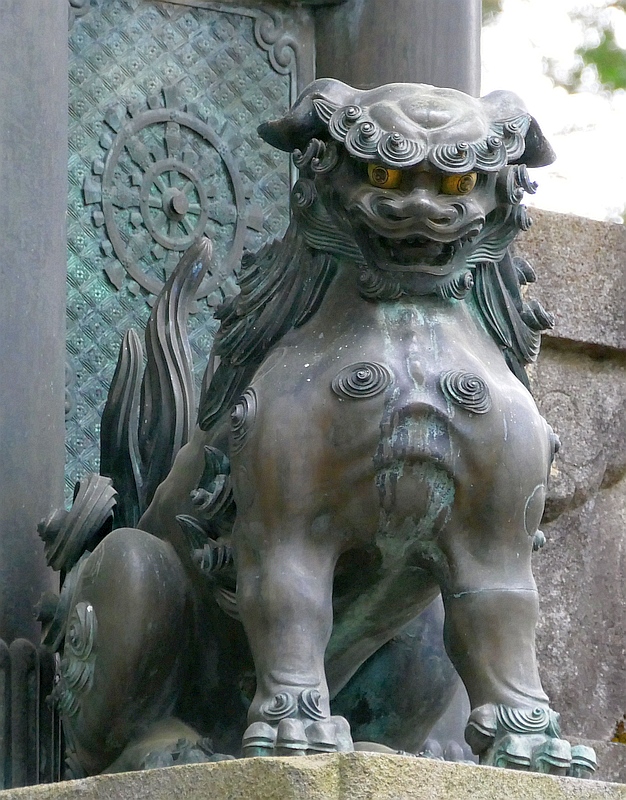
"A" (open-mouth) Statue. Very difficult to photograph from the front.
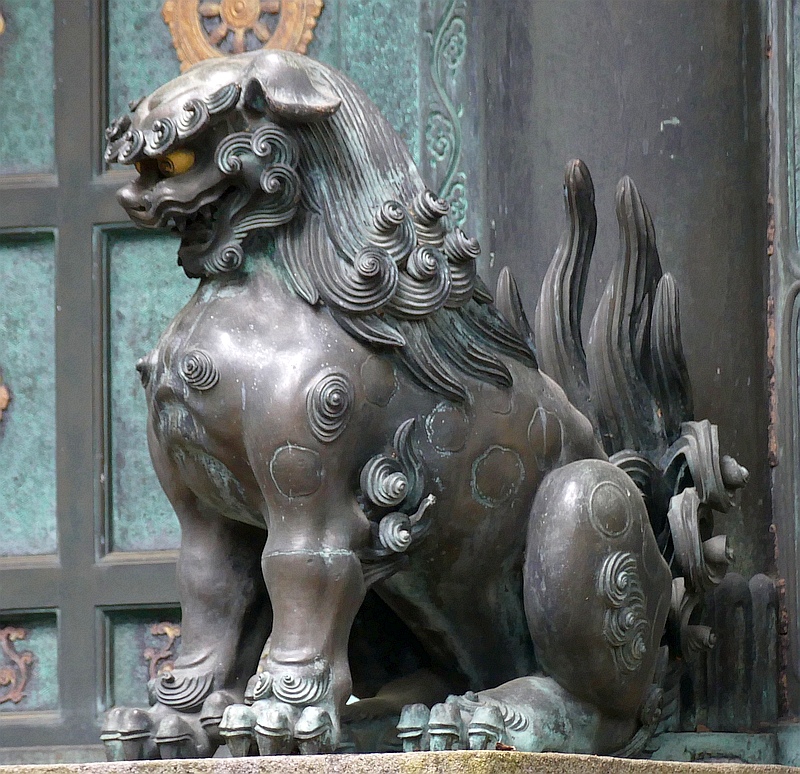
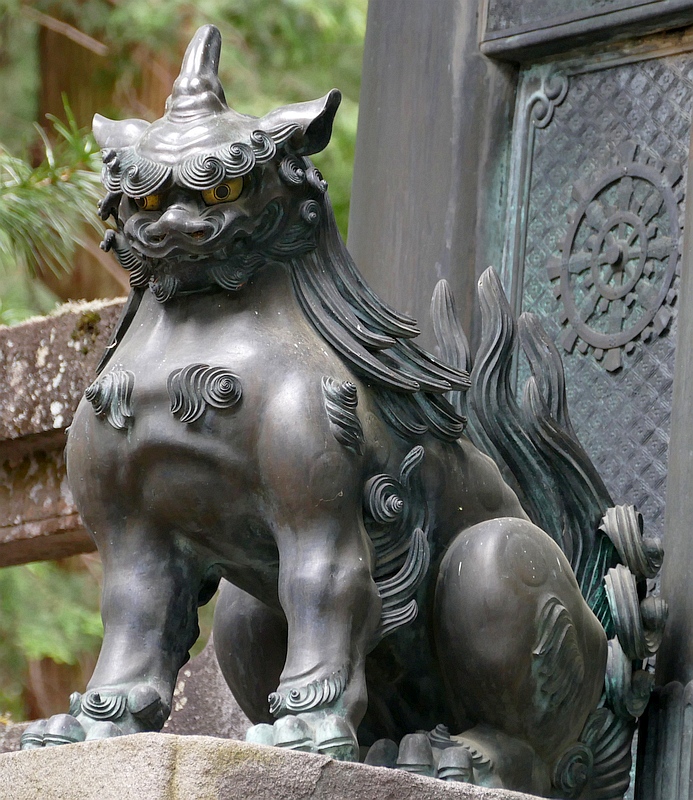
This glaring expression of the statue of "Un" is especially wonderful.
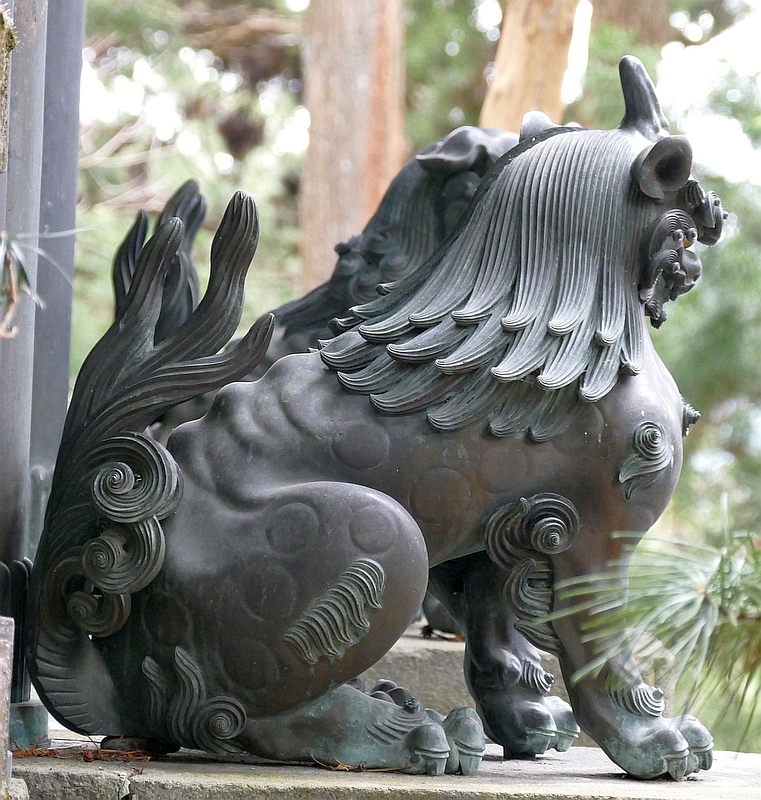
The back side of the "Un" (closed mouth) statue. The tail is well balanced without being obnoxious.
Shin at Inukimon Gate
Don't miss this one at the Casting Gate. A spirit animal called "Shin" (Mirage Dragon). A member of the dragon family, it is said to exhale aura from its mouth, eat swallows, and generate mirages.
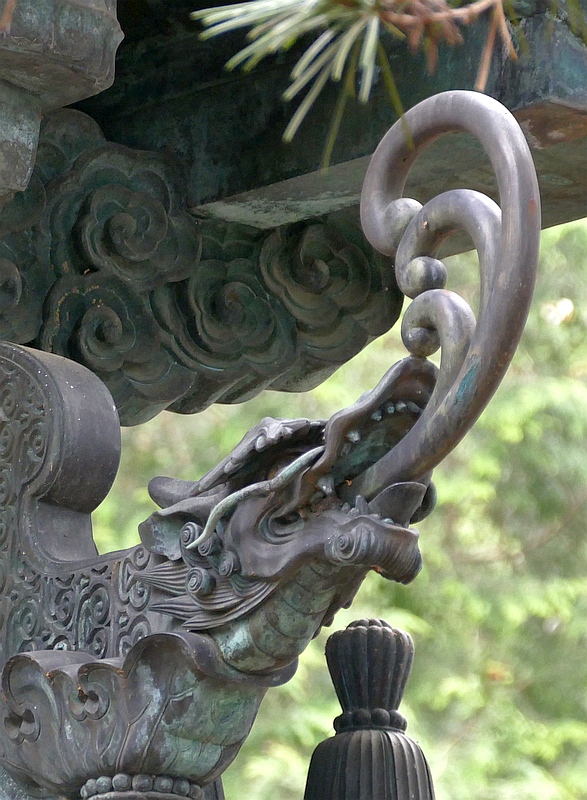
The objects coming out of the mouth look like fangs, but this is the "spiritual energy" being exhaled.
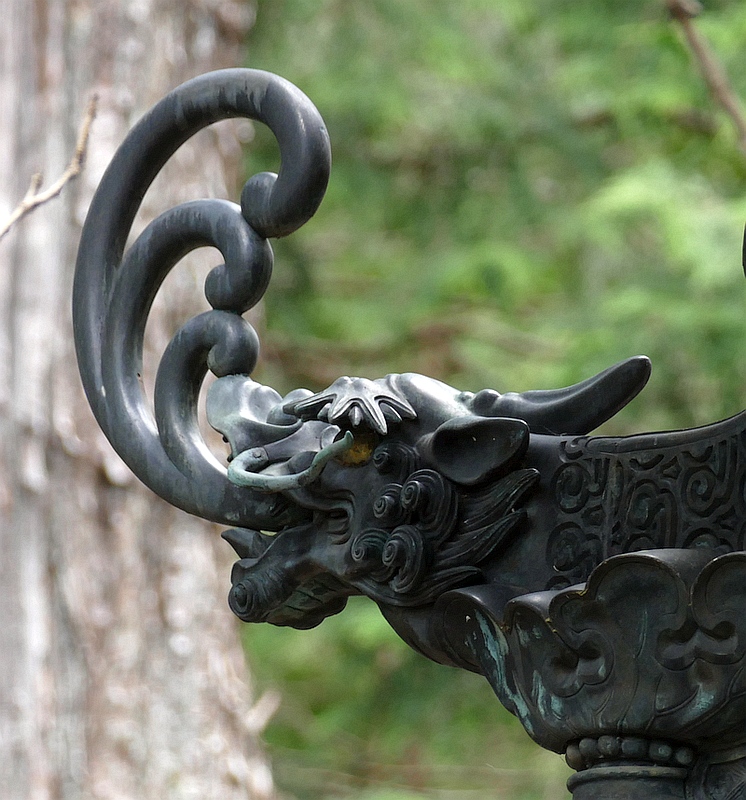
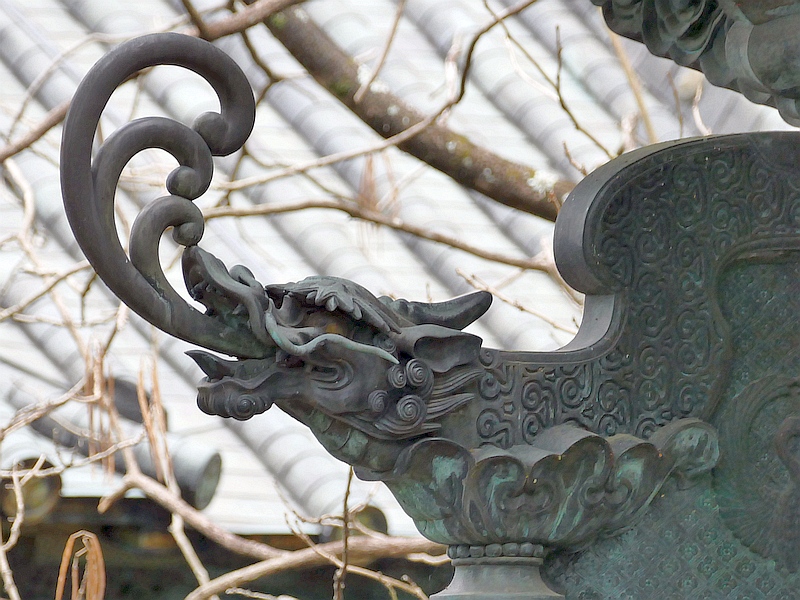
The Inukimon gate is a wonderful piece of art, both technically and artistically. However, the viewing angle is limited and it is not possible to appreciate the details up close. Without a camera capable of super-telephoto shooting, it is impossible to take clear pictures of the komainu and Shin.
Hina Dolls of Yoshiko Suzuki and Ikuko Suzuki: A New World of Hina Dolls that Combines the Traditional Japanese Craft of "Kimekomi" with Artistry
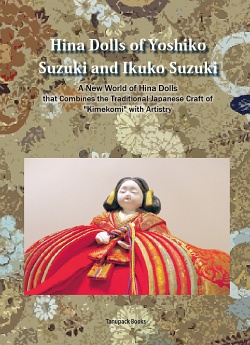
Hina dolls are glittering dolls modeled after aristocratic couples of the olden days that are displayed during the Girls' Festival (Hinamatsuri) on March 3 in Japan. In Japan today, dolls with costumes called “Kokinbina,” which became popular after the Showa period (1926-1989), are commonly used.
But there was a doll artist who sought artistic expression in these dolls. Yoshiko Suzuki (1928-2008) is a a second-generation pupil of Goyo Hirata (1903-1981), a doll artist who was recognized as a living national treasure. In his later years, Goyo Hirata established the highly artistic Japanese doll called “Kimekomi Costume Doll."
By incorporating the traditional technique of “kimekomi costume dolls” into Hina dolls, Yoshiko Suzuki has opened up a new world of Hina dolls that are different from ordinary Hina dolls in that they are both artistic and prestigious. She founded a group of creative hina doll artists called “Kinosuzukai” with her pupils who had gathered together in admiration of Yoshiko Suzuki.
Today, her daughter-in-law, Ikuko Suzuki, is the head of the group and continues to produce Hina dolls using the kimekomi technique started by Yoshiko. These supreme dolls are made using the “Kimekomi costume doll technique,” which exists only in a few places in the world. The difference between these dolls and ordinary dolls is obvious in this photo collection.
 Take a look at Amazon.com Click HERE!
Choose your area↓
US UK DE FR ES IT NL PL SE JP CA AU

 Previous
 Next
Next

